OpenLS for indoor positioning : strategies for standardizing location based services for indoor use
Other Titles: Open location-based services for indoor positioning
Authors: Kolodziej, Krzysztof W., 1978-
Thesis advisor: Joseph Ferreira, Jr.
Department: Massachusetts Institute of Technology. Dept. of Civil and Environmental Engineering.
Massachusetts Institute of Technology. Dept. of Urban Studies and Planning.
Other contributors: Massachusetts Institute of Technology. Dept. of Urban Studies and Planning.
Keywords: Civil and Environmental Engineering.
Urban Studies and Planning.
Issue Date: 2004
Publisher: Massachusetts Institute of Technology
Abstract: The combination of location positioning technologies such as GPS and initiatives like the US Federal Communications Commission's E911 telecommunication initiatives has generated a lot of interest in applications and services that are a function of a user's location, referred to as location-based services (LBS). However, despite GPS technology and the positioning capabilities of cellular network such as GSM, millions of square meters of indoor space are out of reach of these systems. A multitude of applications and services would also benefit from indoor (in-building) positioning and navigation. Fortunately, over the past decade, advances in location positioning technology have made it possible to locate objects indoors (in-building). These alternative technologies are now being introduced to the market enabling many kinds of indoor LBS applications. While a start, these standalone applications are unlikely to make a large impact on the marketplace, for a number of reasons discussed in this thesis. The argument of this thesis is that in order for indoor LBS to become widely used, there is a need for both the infrastructure investment and the "killer" application (or at least a collection of sufficiently valuable applications). Without the LBS application the market will not invest in infrastructure, and without the infrastructure, the market for valuable LBS applications and their business models will not exist. The thesis distinguishes four type of infrastructure: (1) communication, (2) positioning, (3) mapping, and (4) software (services); then it argues that indoor LBS applications will need more modularity and standardization across these infrastructures in order to reach critical mass.
(cont.) The aim of this thesis is to explore the extent to which open interoperability standards can have an impact on the infrastructure needed for developing indoor LBS and on the types of applications that are likely to emerge. In particular, the thesis explores location standards dealing with the application, data, and presentation layers of the Internet stack, as well as location standards from the wireless network viewpoint. Standardization can be a significant success or failure factor for any new technology, and indoor location services are no exception. This is especially true given that the overall LBS value-chain is a heterogeneous technical and business environment.
Description: Thesis (M.C.P.)--Massachusetts Institute of Technology, Dept. of Urban Studies and Planning; and, (M. Eng.)--Massachusetts Institute of Technology, Dept. of Civil and Environmental Engineering, 2004.
"February 2004."
Includes bibliographical references (p. 169-174).
URI: http://hdl.handle.net/1721.1/28343
Appears in Collections: Urban Studies and Planning - Master's degree
Civil and Environmental Engineering - Master's degree
Civil and Environmental Engineering - Master's degree
Urban Studies and Planning - Master's degree
Files in This Item:
File Description Size Format
55694973.pdf Preview, non-printable (open to all) 18892Kb Adobe PDF View/Open
55694973-MIT.pdf Full printable version (MIT only) 18917Kb Adobe PDF View/Open
skip to main |
skip to sidebar

A Sextant --- solid brass navigation technology ... from 200 years ago !
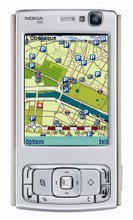
The 2007 << Dream Machine >>
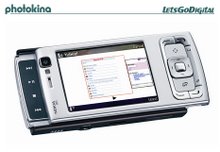
no doubts .. the ultimate smart phone in 2007
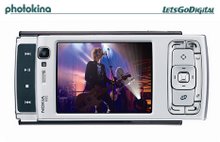
where it's at in 2007


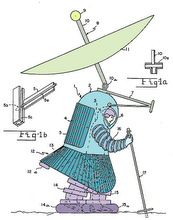
... but it didn't catch on

... if you don't know where you've been - BUT - how did you GET here ?!?!
Our focus is on Location Based Services ( LBS ) which answer "Where am I? Where is it? How do I get there?" ... & Location Aware Devices (LADs) such as 3G smartphones, mobiles, cellfones, PDAs and personal wireless platforms. LADs will soon be everywhere [i.e. ubiquitous = DoCoMo]. This blog will stay on top of all things that will help us .... keep on track ... and show us where it's at


GPS SATNAV LBS "Personal Navigation Device"
A Sextant --- solid brass navigation technology ... from 200 years ago !
NOKIA N95
The 2007 << Dream Machine >>
OUR LOCAL TIME ( +10 hrs on Zulu)
Hobart |
NOKIA 95
no doubts .. the ultimate smart phone in 2007
SUBSCRIBE TO THE RSS FEED HERE


YOU'RE SEARCHING FOR WHAT
NOKIA N95
where it's at in 2007
The UBIKWITUS SWICKI
where do you come from ?
Blog Archive
-
▼
2006
(2445)
-
▼
October
(132)
- WITH A CELLPHONE AS MY GUIDElocation based service...
- NAVTEQ(R) Map Data Featured on New Delphi Portable...
- The World is Watching: Image Mobile Search Gets Re...
- Wireless Beyond the Warehouselocation based servic...
- TELUS Launches Location Based Services With Openwa...
- Mobile Networks to Cover 90% of the World's Popula...
- Mobile Web 2.0location based servicesTestimonials"...
- Palm GPS Navigator Smartphone Editionlocation base...
- CLICK ON THE REAL WORLDlocation based servicesLoca...
- Motorola: It’s All About MElocation based services...
- Internet and Wireless Privacy: A Legal Guide to Gl...
- The difference (the lack of) a touch screen makesl...
- Phone creates interactive maps from snapshotslocat...
- Mobile-phone network reveals the ties that bindloc...
- The BlackBerry As An Anti-Status Symbollocation ba...
- Inrix to Provide Dynamic Fuel Price DataIn an inte...
- Feature Overload?location based servicesJust comin...
- Intelligent Spatial Technologies Deploys iPointer(...
- Tip - Location-Based social networking from NavXS ...
- The World is Watching: Image Mobile Search Gets Re...
- Market Research: Internet-Enabled Consumer Telecom...
- Autodesk and JumpTap form strategic alliance to ad...
- Nokia 330 Auto Navigation Debutslocation based ser...
- Oracle and Mapslocation based servicesCharles Babc...
- LBS Development - Determining Privacy Requirements...
- Opera Mini Available for Palm and BlackBerry Devic...
- TomTom and Vodafone Netherlands Partner on Travel ...
- Plotting Crime, Street by Streetlocation based ser...
- Study: Only 10% Of Americans With 3G Phones Use 3G...
- Geocoordinates from Wikipedia for Google Earthloca...
- Telstra 3G Network Tested To The Limitlocation bas...
- Geotagging Web Pages and RSS Feedslocation based s...
- Mobile Web Statslocation based servicesThere’s a r...
- The Value Of Customers With Demand For On-Demand M...
- Two Hundred Million A-GPS Enabled Cellphoneslocati...
- Cell Phone Takes Security to New Heightslocation b...
- Rosum Debuts TV+GPS Hybrid Positioning Modulelocat...
- Aerial imagery inspires industry location based se...
- Gold Coast Map location based servicesFind accommo...
- Recent changes to Google Maps location based servi...
- Location Based Services 2006Location Based Service...
- Mobile Users Want Navigation, Not Video location b...
- Emergency Alert For Salelocation based servicesLoc...
- Location based application. Is there a relevant fo...
- TCS' VoIP E9-1-1 Technology Assists Public Safety ...
- Navicore - World's Smallest Bluetooth GPS Receiver...
- Airis T620 and T610: GPS-PDAlocation based service...
- Casio GPR-100 GPS watchlocation based servicesWher...
- Location is Better than Mobile TVlocation based se...
- Google Maps Mania Video: Maps Mashups for Travel l...
- Overlay Mappinglocation based services¤ This page ...
- LOCAL LIVEWell this is it folksshould google be tr...
- OpenStreetMaplocation based servicesOpenStreetMap ...
- LBS World Forum: Context Matters!location based se...
- Navicore Brings GPS Navigation to Nokia 770 Intern...
- Vendors Begin To Introduce WiMax Infrastructure Ge...
- What is Navideo?location based servicesNavideo is ...
- Device helps navigate daily lifelocation based ser...
- Microsoft Streets and Trips 2007location based ser...
- activepilot 6location based servicesactivepilot 6 ...
- Aussies knuckle down ahead of Asheslocation based ...
- GPS phones are upon uslocation based servicesAustr...
- Holiday Outlook Healthy for Gadgetslocation based ...
- Boeing begins work on new GPS satelliteslocation b...
- Are we there yet? How to navigate wine trails usin...
- Galileo nav system for war?location based services...
- 5o9™ Me For Businesslocation based services5o9™ Me...
- Operators With 620 Million Subscribers Spearhead G...
- Mashups to Re-Map the Legal Tech Market?location b...
- ASK.COM mapsLocation based services
- Tele Atlas Signs Agreement with Automotive Infotai...
- 25% of WCDMA Handsets Will Include GPS by 2008loca...
- Google Maps for Mobile now runs on the Treolocatio...
- Heat Maps for Google Maps - (a.k.a GeoIQ mashup)lo...
- Scientists build better navigation aidslocation ba...
- T-Mobile to launch mixed-signal phonelocation base...
- Global Positioning in Mobile Handsets by 2008locat...
- Numerex Expands Network Capabilities With GPS and ...
- Palm and Google Bring Google Maps to Treo Smartpho...
- GPS Capability Enhanced in Microsoft Streets & Tri...
- Cellphone disables itself when its owner straysloc...
- A Frontrunner for the Coolest Google Mashup.... Ev...
- Navigation new 3G killer app, In-Stat sayslocation...
- Online map portal to launch mobile serviceslocatio...
- Verizon Wireless Customers Can Quickly Find What T...
- Microsoft and Pharos Introduce New GPS Locator for...
- Facet Technology Corp. Announces New Web Service l...
- Trimble VRS Now Service to Be Launched in Germany ...
- GPS coming to GSM handsets, analysts saylocation b...
- Mexens Technology unveils virtual GPSlocation base...
- Google Maps in the business world location based s...
- Create and share polygons and paths on Google Maps...
- Wineries with tasting roomslocation based services...
- Chicago BYOB restaurants, a map from Dr. Vinolocat...
- Your web site will need GPS facilities location ba...
- GPS mobile phone study by ABI location based servi...
- Sierra Wireless introduces ExpressCard product lin...
- First 3G HSDPA Network Launched Across Rural and U...
- Numerex Expands Network Capabilities With GPS and ...
- GPS coming to GSM handsets, analysts saylocation b...
- The Notebook Untethered: Wireless Technologies are...
- Samsung Starts Selling World's First 10 Megapixel ...
- Google Maps Creation Tools and Resources - Part 9 ...
- Mapstractionlocation based servicesMapstraction is...
- MuskokaTech’s New Version of PathAway Ideal for GP...
- OpenLS for indoor positioning : strategies for sta...
- Need Cash? Texting Service Locates ATMslocation ba...
- Lucrative store locations pinpointed by new modell...
- Location Based Services (LBS)/Geographical Informa...
- About TeleMapics, LLClocation based services TeleM...
- Canada Gets New Location-Based Services from Netwo...
- deCarta Partners With GlobeXplorer for Aerial & Sa...
- Roaming around Europe, the US or Canada, and Need ...
- Cell phone doubles as personal trainerlocation bas...
- 411 On PSP GPSlocation based servicesITmedia Games...
- 2ergo goes Directlocation based services2ergo has ...
- Yahoo! Maps Simple API location based servicesDis...
- Toys 'R' Us Names Wherifone GPS Locator Phone on I...
- New Portable GPS Navigation System Featuring Text ...
- Nokia Dials Up GPS Technology Leader Trimble for I...
- Geotagging Photoslocation based servicesNow that I...
- What is TMC Traffic?location based servicesThe TMC...
- Monday interview: mobile advertising expert Russel...
- GPS ready for its media closeuplocation based serv...
- Nokia Licenses Trimble Location-Based Patentslocat...
- WAN Card connects to EV-DO Revision A networksloca...
- SiRF GPS Guides HP iPAQ Travel Companion location ...
- Cheat Sheet: Mobile location-based servicesThey kn...
-
▼
October
(132)
EARLY SATNAV ...
... but it didn't catch on
you don't know where you going...
... if you don't know where you've been - BUT - how did you GET here ?!?!

No comments:
Post a Comment